


10 Key Takeaways from “Willingness to Pay Studies for Out-of-Pocket Payment Medicines and Medical Devices: A Market Access Perspective”
- Essential Role in Market Access: WTP studies provide crucial insights into how much patients are willing and able to pay for medicines and medical devices, especially in markets where healthcare costs are primarily covered by patients themselves.
- Guiding Pricing Strategy: By understanding patients’ financial thresholds, companies can set prices that align with both patient affordability and business viability, ensuring that high-cost products remain accessible.
- Market Segmentation and Targeting: WTP data helps identify distinct patient segments based on their ability to pay, allowing for targeted access strategies and tailored marketing efforts that maximize reach and adoption.
- Improving Product Positioning: WTP studies reveal which product attributes (such as safety, efficacy, or convenience) patients value most, enabling companies to craft value propositions that resonate with patient preferences.
- Adapting to Economic Conditions: WTP studies are becoming more dynamic, incorporating real-time economic data to adapt pricing strategies according to current market conditions and economic fluctuations.
- Behavioral Economics for Deeper Insights: Future WTP studies may integrate principles of behavioral economics to better understand patient motivations, offering insights into how patients make financial decisions about their health.
- Holistic Approach to Patient Preferences: Expanding WTP studies beyond affordability to include patient-centered metrics like quality of life and treatment convenience can provide a more comprehensive view of patient expectations and priorities.
- Enhanced Data Collection with Digital Tools: The use of digital platforms and AI technology in WTP studies enables more efficient data collection and analysis, allowing companies to reach broader populations and gather more nuanced insights.
- Collaborative Efforts for Broader Impact: WTP studies can support collaboration with stakeholders such as policymakers and patient advocacy groups to develop access strategies and policies that enhance healthcare affordability and equity.
- Future-Focused Adaptability: As healthcare costs rise and economic conditions fluctuate, WTP studies are set to evolve, focusing on adaptability, patient-centered insights, and systemic improvements in healthcare access across OOP markets.
Please look at the Market Access & HEOR Resource
Introduction
As someone deeply involved in market access, I’ve seen how crucial it is to understand the financial realities of patients who pay out of pocket for medicines and medical devices. In many regions, where healthcare funding and insurance coverage are limited, patients are responsible for a significant portion of their healthcare expenses. This reliance on out-of-pocket payments makes it essential to find ways to balance access and affordability, particularly as healthcare costs continue to rise.


Through this article, I aim to explore the role of willingness to pay (WTP) studies in addressing this challenge. By examining how much patients are prepared to spend for essential treatments, WTP studies provide valuable insights that help us set prices, plan access strategies, and ultimately ensure that our products are within reach for those who need them most.
Setting the Scene: The Growing Role of Out-of-Pocket Payment Options
The healthcare landscape is increasingly shifting toward models where patients directly pay for a growing range of medical services, treatments, and devices. This trend is particularly evident in emerging markets and lower-income countries where public healthcare funding and insurance coverage may be limited. In such environments, medicines and medical devices are often only accessible through out-of-pocket (OOP) payments, making affordability a critical factor in patient access.

OOP payment options are becoming more prominent due to several factors. First, healthcare costs are rising globally, driven by advancements in technology, aging populations, and the introduction of high-cost specialty medicines. Second, as healthcare budgets face constraints, many governments are unable to subsidize or reimburse all treatment options, leading patients to cover the costs themselves for non-reimbursed or partially covered treatments. Finally, in markets without robust health insurance systems, OOP payments are sometimes the only path to access essential and innovative treatments.
Given these dynamics, it’s increasingly important for healthcare providers, pharmaceutical companies, and device manufacturers to understand how much patients are willing to pay for essential medicines and medical devices. This understanding allows companies to price their products accessibly and fairly, ensuring that cost does not become a barrier to essential healthcare services.
Rising Demand for Willingness to Pay (WTP) Studies in Market Access
In response to the growing reliance on OOP payments, Willingness to Pay (WTP) studies have become essential tools for market access strategists. WTP studies are designed to measure the maximum amount that patients are willing to pay for specific medical products, helping companies to understand the price thresholds that align with patient affordability. This information is especially valuable in settings where reimbursement options are limited or non-existent, and where the burden of healthcare costs falls directly on patients and their families.
For healthcare companies, understanding WTP is crucial for developing sustainable pricing strategies that make essential medicines and devices accessible without compromising business viability. In addition, WTP studies help in identifying the ideal market segments to target based on different affordability levels, guiding decisions on where and how to launch new products.
In regions with minimal reimbursement support, WTP studies provide critical insights for price setting, market segmentation, and product positioning. They enable companies to balance their need for financial viability with ethical responsibilities, ensuring that prices reflect the economic realities of the populations they serve. This balance is vital in maintaining a positive reputation and achieving long-term success in OOP-dominated markets.
As someone engaged in the field of market access, my goal with this article is to provide a comprehensive look into the role and significance of Willingness to Pay (WTP) studies, particularly for out-of-pocket payment medicines and medical devices. In healthcare markets where reimbursement options are limited or absent, understanding patients’ willingness to pay becomes essential for designing accessible, fair, and sustainable pricing strategies. Through this article, I aim to explore how WTP studies not only inform pricing but also influence broader market access decisions, from identifying target segments to aligning products with patients’ financial capacities. By delving into the methodologies, challenges, and applications of WTP studies, I hope to offer insights that can guide stakeholders in making data-driven, patient-centered decisions that ultimately enhance access to necessary treatments.
Understanding Willingness to Pay (WTP) Studies
When working to bring new medicines or medical devices to market, especially in regions where patients often pay out of pocket, one of the biggest challenges is setting prices that balance affordability with business sustainability. For me, understanding patients’ willingness to pay (WTP) is a critical piece of this puzzle. WTP studies give us direct insight into what patients are both able and willing to pay, helping us gauge how much they value a particular treatment. By exploring patients’ financial thresholds, WTP studies guide us in developing pricing strategies that make our products accessible without overwhelming patients’ budgets. In this section, I’ll delve into the purpose of WTP studies, how they work, and why they’re so essential in shaping effective market access strategies in out-of-pocket payment markets.
Definition of WTP: Gauging Patient Willingness to Pay Out-of-Pocket for Medical Products
Willingness to Pay (WTP) studies are a specialized type of economic analysis designed to assess the maximum amount individuals are prepared to pay out of their own pockets for a particular product or service. In healthcare, WTP studies focus on evaluating patients’ financial threshold for medicines and medical devices, providing insight into how much value patients place on accessing specific treatments.
WTP studies are typically conducted through surveys or experiments where patients or potential consumers are presented with hypothetical scenarios involving different products, features, and price points. These scenarios help researchers determine the point at which patients perceive the product’s value to match the cost they are asked to pay. The insights from WTP studies shed light on the price sensitivity of patients, highlighting what they can and are willing to pay to access treatments that may not be covered by insurance or public reimbursement schemes.
WTP is particularly important in the context of out-of-pocket (OOP) payments, where patients are financially responsible for covering the cost of their own treatments. In cases where high-cost medicines or advanced medical devices are involved, WTP studies can reveal how much patients value these treatments, helping companies to understand patient perspectives on affordability and accessibility.
Relevance to Market Access: Informing Pricing Strategies, Access Planning, and Product Viability
From a market access perspective, WTP studies provide essential insights that guide key decisions regarding product pricing, market entry, and access strategy, especially in OOP-dominated healthcare markets. When reimbursement options are limited or absent, healthcare companies face the challenge of setting prices that are both financially viable and affordable for patients.
Here’s how WTP studies directly support market access goals:
- Pricing Strategies: By identifying the price patients are willing to pay, WTP studies enable companies to set a price that aligns with patients’ perceived value of the treatment while remaining affordable. This is particularly useful when launching innovative or high-cost products where patients’ willingness to pay might be constrained by their personal finances. WTP data allows companies to determine if price adjustments, tiered pricing, or even financial assistance programs might be necessary to ensure access.
- Access Planning and Segmentation: WTP insights also help identify distinct patient segments based on affordability and willingness to pay. For instance, some segments may be more willing to invest in advanced treatment options due to their clinical benefits, while others may prefer lower-cost alternatives. By understanding these segments, companies can tailor their market access strategies to meet the specific needs of each group, thereby maximizing reach and ensuring better access for patients.
- Product Viability Assessment: WTP studies also offer valuable information for assessing the feasibility of introducing new products in OOP markets. By estimating potential uptake based on WTP data, companies can evaluate whether it’s financially viable to launch a product or if alternative strategies, such as collaborating with local distributors or offering targeted financing solutions, would be more effective. WTP studies give a realistic preview of market reception, reducing the risks associated with new product launches in cost-sensitive markets.
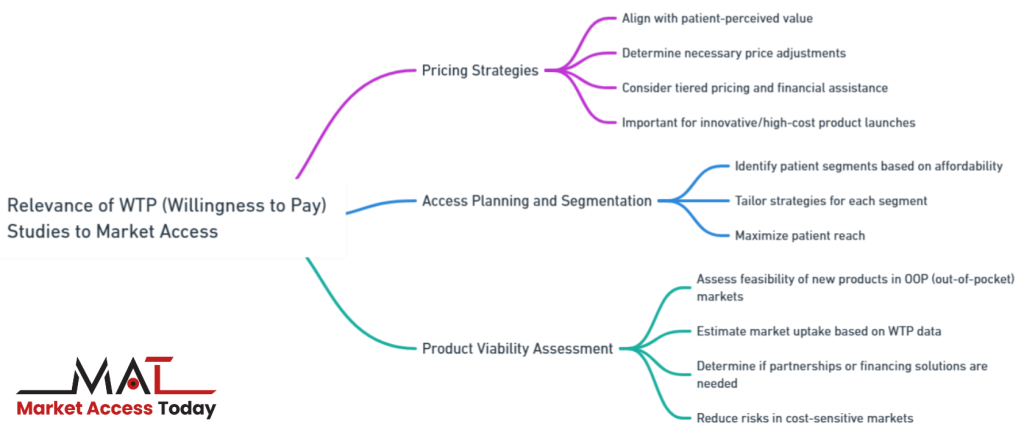
In short, WTP studies play a crucial role in aligning healthcare companies’ offerings with patient affordability, facilitating market entry, and promoting sustainable access strategies in markets reliant on out-of-pocket payments. The data gathered from WTP studies empower companies to make informed, patient-centered decisions that foster broader access to essential treatments.
Factors Influencing Willingness to Pay
When evaluating patients’ willingness to pay, I’ve learned that it’s never just about the numbers; several nuanced factors come into play. Economic background, the urgency of the health condition, perceptions about the product itself, and even cultural attitudes all shape how much patients are willing—and able—to pay out of pocket for medical treatments. Understanding these factors helps me see beyond surface-level affordability to the deeper motivations and limitations that impact patients’ decisions.
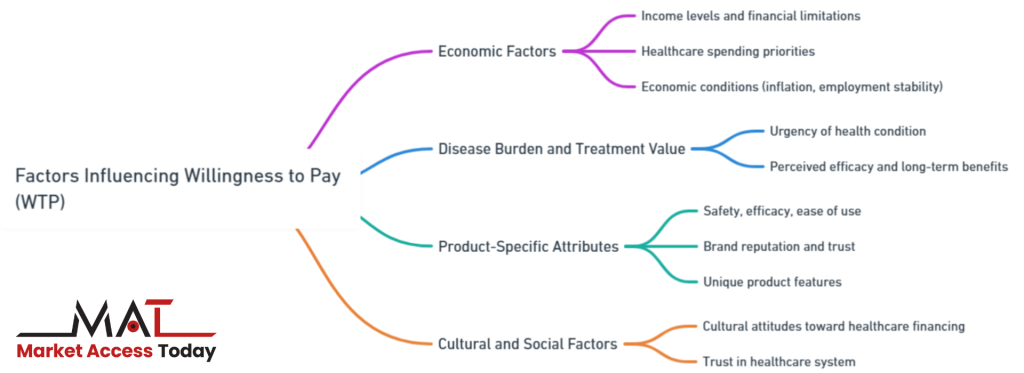
Here’s a closer look at the key factors that influence willingness to pay and how each one plays a critical role in setting effective, patient-centered pricing strategies.
1. Economic Factors
The economic landscape of target markets significantly influences WTP. Income levels are foundational—patients with higher disposable incomes are generally more willing and able to pay out of pocket, while those in low-income brackets face stricter financial limitations. Additionally, healthcare spending priorities differ based on economic conditions; in higher-income settings, patients may allocate more for health, whereas in low-income settings, spending on healthcare may be deprioritized due to competing financial needs like housing or education. Other economic conditions, such as inflation and employment stability, further impact patients’ financial capacity and willingness to commit funds to healthcare.
2. Disease Burden and Treatment Value
Patients’ perception of the urgency and value of a treatment also plays a crucial role in their willingness to pay. Severe illnesses or conditions that drastically affect quality of life often lead patients to prioritize spending on treatment, even if it means making financial sacrifices. For instance, patients with chronic diseases or life-threatening conditions may be willing to spend more for effective therapies. Conversely, for less urgent or mild conditions, patients may be less inclined to bear high costs. The perceived efficacy and long-term benefits of a treatment also influence WTP—if patients believe a medicine or device will provide meaningful, lasting relief, they may be more open to paying higher prices.
3. Product-Specific Attributes
The unique features of a medicine or medical device—including its safety profile, efficacy, ease of use, and brand reputation—substantially impact willingness to pay. Patients are more inclined to invest in products that they perceive as safe, effective, and reliable. For example, well-established brands with a history of quality and positive outcomes are often associated with higher WTP. Additionally, product characteristics like fewer side effects, innovative mechanisms of action, or increased convenience can increase patients’ willingness to pay, as these factors contribute to an overall sense of value and trust in the treatment.
4. Cultural and Social Factors
Cultural and social dynamics also shape WTP, especially in diverse markets with varying attitudes toward healthcare financing. In some regions, there’s a cultural acceptance of self-financing in healthcare, where individuals view health expenses as a personal responsibility and are thus more willing to pay out of pocket. Conversely, in societies where healthcare is commonly expected to be publicly funded, patients may be less willing to bear healthcare costs themselves. Social factors like trust in the healthcare system also influence WTP—patients in markets with high trust in medical institutions and treatments are typically more willing to invest in their healthcare.
Methodologies for Conducting WTP Studies
In my experience with willingness-to-pay studies, choosing the right methodology is key to capturing accurate, actionable data. Each method—whether it’s a straightforward survey or a complex choice experiment—offers unique insights into how patients perceive value and affordability. Depending on the study’s goals, target population, and available resources, selecting the most fitting methodology can make a significant difference in understanding patients’ price sensitivity and preferences.
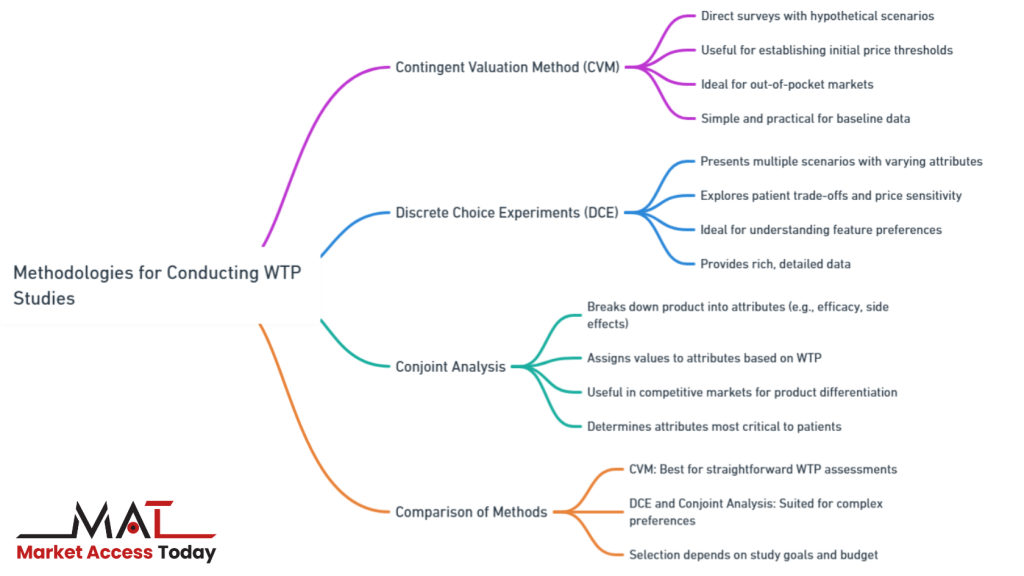
Here’s a breakdown of the main approaches used in WTP studies, along with insights on when and how to apply each one effectively.
1. Contingent Valuation Method (CVM)
The Contingent Valuation Method (CVM) is one of the most widely used techniques for gauging WTP in healthcare. It involves presenting patients with direct surveys that pose hypothetical scenarios, allowing them to indicate how much they would be willing to pay for a particular treatment or device. CVM is particularly useful in out-of-pocket markets because it enables researchers to capture initial price thresholds and overall willingness in a straightforward way. By asking patients directly, CVM offers a clear picture of how much value they assign to certain treatments, especially in the context of their specific health needs. This method is practical, relatively simple to execute, and valuable for gathering baseline data.
2. Discrete Choice Experiments (DCE)
Discrete Choice Experiments (DCE) go a step further by exploring patient preferences across multiple scenarios, helping to identify the trade-offs patients are willing to make. In a DCE, patients are presented with a series of choices between hypothetical treatments or devices, each with varying attributes and prices. This approach allows researchers to better understand not only price sensitivity but also the specific features patients prioritize. For instance, patients may be more willing to pay a premium for a device with added safety or convenience. DCE provides a richer dataset than CVM, making it ideal for studies where understanding specific preferences and price elasticity is essential.
3. Conjoint Analysis
Conjoint Analysis is another method used to evaluate the trade-offs patients make between product features and cost. This approach breaks down the product into individual attributes (such as efficacy, side effects, and convenience) and examines how much each attribute influences WTP. By assigning values to different attributes, conjoint analysis allows researchers to determine which features are most critical to patients and how much they are willing to pay for each one. This method is particularly valuable in competitive markets where product differentiation is important; understanding which specific attributes drive WTP can provide insights for designing products that align closely with patient preferences.
4. Comparison of Methods
Each of these methods has its strengths, and choosing the right one depends on the study’s goals, available budget, and the patient population being surveyed. CVM is often the go-to choice for simple, direct assessments of WTP, while DCE and conjoint analysis provide more in-depth insights into patient preferences and trade-offs. If the aim is to understand basic WTP for a new treatment, CVM may be the best choice due to its simplicity. However, if the goal is to explore complex preferences or design a product with targeted features, DCE or conjoint analysis would yield more nuanced results. Ultimately, selecting the right method helps ensure the data is reliable and relevant, enabling us to make informed, patient-centered pricing and market access decisions.
The Role of WTP Studies in Market Access for OOP Medicines and Devices
When it comes to bringing a new medicine or medical device to market, particularly in regions where patients pay out of pocket, willingness-to-pay (WTP) studies offer invaluable guidance. In my experience, WTP data isn’t just about setting a price; it provides insights into how we can tailor our strategies to better meet patients’ needs and maximize accessibility. By understanding what patients can afford and what they value, we can refine our pricing, identify target segments, position our products effectively, and even evaluate the financial viability of entering new markets.
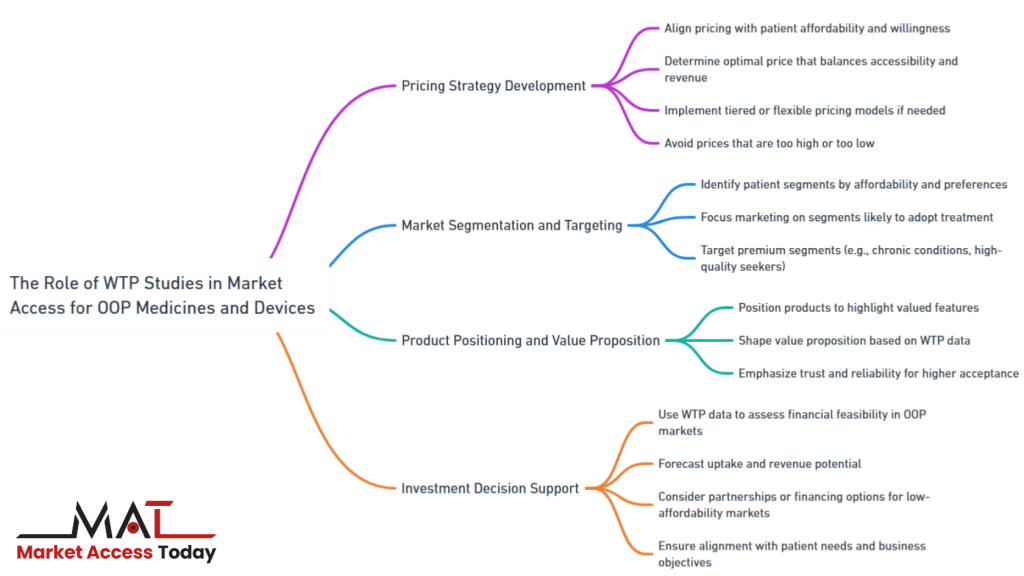
Below, I’ll discuss the specific ways WTP studies shape market access strategies for out-of-pocket payment markets.
1. Pricing Strategy Development
One of the primary applications of WTP studies is in developing pricing strategies that align with patient affordability and willingness. WTP data provides a clear sense of what patients are able and willing to pay for specific treatments, helping us set an optimal price that maximizes both accessibility and revenue. By knowing the price thresholds that patients find acceptable, we can avoid setting prices too high, which could limit access, or too low, which might undermine the product’s perceived value. For instance, in markets where affordability is a significant concern, WTP data may guide us toward implementing tiered or flexible pricing models that cater to different income levels, ensuring that the product remains accessible to a broader population.
2. Market Segmentation and Targeting
WTP studies also play a key role in market segmentation and targeting. By analyzing WTP data, we can identify distinct patient segments based on affordability levels and preferences. This segmentation allows us to focus on patient groups most likely to invest in a treatment, ensuring more efficient use of marketing resources. For instance, patients with chronic conditions or those seeking high-quality, effective solutions may be more inclined to pay for advanced medical devices, making them a key target for premium offerings. With this data, we can fine-tune our market access strategies, focusing on segments with the highest potential for adoption and tailoring our messaging to meet their specific needs and values.
3. Product Positioning and Value Proposition
Understanding WTP helps us position our products in a way that highlights the features patients value most. If patients are willing to pay more for certain attributes—such as superior efficacy, convenience, or brand reliability—we can emphasize these features in our marketing and communication strategies. WTP data informs our value proposition, helping us shape a compelling narrative around why the product is worth the price. In markets where patients are concerned about safety or ease of use, for instance, positioning the product as a trustworthy, reliable solution can increase willingness to pay and overall acceptance.
4. Investment Decision Support
Finally, WTP studies serve as a metric for assessing the financial feasibility of entering OOP markets. Before committing resources to a market with limited reimbursement options, it’s essential to understand whether patients are willing and able to bear the cost of the treatment. WTP data provides a realistic forecast of potential uptake and revenue, helping us evaluate if the market entry is financially viable. If WTP findings suggest that patient affordability is low, we might consider alternative strategies, such as partnering with local distributors or exploring financing options, to make the product more accessible. This data-driven approach ensures we’re making informed decisions that align with both patient needs and business objectives.
Challenges in WTP Studies for Out-of-Pocket Markets
Conducting willingness-to-pay (WTP) studies in out-of-pocket markets presents unique challenges that I’ve encountered frequently. Gathering accurate WTP data isn’t as straightforward as it may seem, especially when working with diverse patient groups facing financial and cultural constraints. These challenges require us to adapt our approach to ensure that the data we collect genuinely reflects patients’ capacity and willingness to pay.
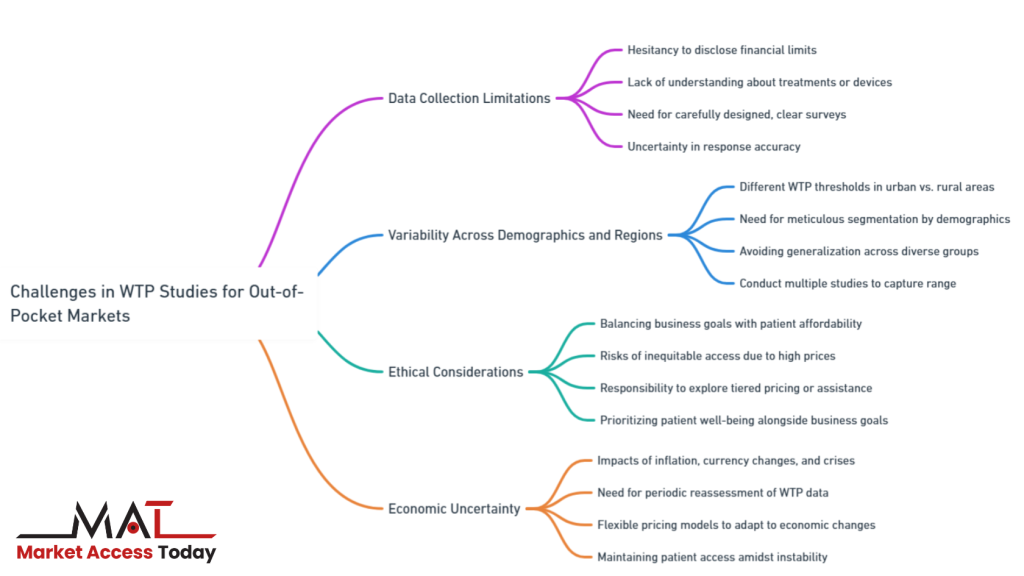
Below, I’ll explore some of the main obstacles we face and why each is critical to consider in OOP markets.
1. Data Collection Limitations
One of the biggest challenges in WTP studies is collecting accurate data. Patients may feel hesitant to disclose their true financial limits, especially in contexts where discussing finances is considered private or sensitive. Additionally, patients may not fully understand the value of certain treatments or devices, leading to skewed responses that don’t accurately reflect their true willingness to pay. I’ve found that addressing these limitations often requires designing surveys carefully and using language that patients understand, as well as educating respondents about the treatment or device in question. However, even with these measures, there’s often a degree of uncertainty that we need to account for when interpreting WTP data.
2. Variability Across Demographics and Regions
Another challenge is the variability in WTP across different demographic and regional groups. Patients from urban areas with higher income levels may have very different WTP thresholds compared to those from rural or low-income areas. Generalizing WTP findings across such diverse segments can lead to inaccurate conclusions. This variability requires us to segment the data meticulously and often conduct multiple studies to capture the range of affordability levels and preferences within each target market. Although it adds to the complexity, this segmentation is crucial for tailoring pricing strategies that resonate with specific groups and improve access.
3. Ethical Considerations
In my work, ethical considerations are always at the top of my mind, especially when conducting WTP studies in low-income or underserved regions. Balancing business goals with patient affordability is essential—setting prices that exceed the financial reach of the population can lead to inequitable access. WTP studies can sometimes reveal that certain groups cannot afford life-saving treatments, creating a moral responsibility to consider alternative strategies, like tiered pricing or patient assistance programs. By keeping these ethical concerns at the forefront, we can ensure that our decisions prioritize patient well-being while maintaining business sustainability.
4. Economic Uncertainty
Economic instability, such as inflation, currency fluctuations, and economic crises, significantly impacts patients’ willingness and ability to pay for healthcare. Even if WTP data reflects current conditions, economic downturns can quickly alter patients’ financial capacity. I’ve seen firsthand how economic uncertainty requires us to continuously monitor market conditions and periodically reassess WTP data to ensure it remains relevant. In some cases, implementing flexible pricing models that can adapt to economic changes becomes essential to maintain patient access and minimize financial barriers.
Case Studies: The Role of WTP Studies in Accessing High-Cost Medicines and Devices in Out-of-Pocket Markets
Understanding patients’ willingness to pay (WTP) is crucial when introducing high-cost medicines and medical devices in markets where patients bear the financial responsibility for their healthcare. By examining WTP data, we gain insights into how pricing can be adjusted to align with patient affordability and value perception, thus improving access and adoption.
Here, I’ll explore two real-world examples—advanced cancer immunotherapy and a continuous glucose monitor for diabetes management—to illustrate how WTP studies guide market access strategies, ensuring that these innovative treatments reach patients in need without creating insurmountable financial burdens.
1. Medicine Example: Keytruda (Pembrolizumab) – Cancer Immunotherapy
Keytruda (pembrolizumab) is a pioneering immunotherapy drug used to treat various cancers, including melanoma, non-small cell lung cancer, and more. As a checkpoint inhibitor, Keytruda helps the immune system recognize and attack cancer cells, offering extended survival and even remission in some cases. However, its high cost—often thousands of dollars per dose—presents a significant barrier in OOP markets, where patients are responsible for covering these expenses themselves.
In this case, WTP studies play an essential role. By surveying cancer patients and their families, companies can assess the maximum price point patients are willing to bear, considering both the treatment’s potential life-extending benefits and the financial sacrifices required. Additionally, WTP data provides insights into whether patients perceive the treatment as a justifiable expense given the severity of their illness and the therapy’s promising results.
For example, WTP studies may reveal that patients are willing to make significant financial sacrifices if they believe the treatment could improve their quality of life or extend their survival. Based on these findings, companies could implement flexible pricing strategies, such as installment payment options or price reductions for low-income patients, making Keytruda more accessible in OOP markets. By aligning the treatment’s cost with WTP thresholds, the company can improve patient access to this life-saving therapy while considering patients’ financial limitations.
2. Medical Device Example: Continuous Glucose Monitors (CGMs) – Freestyle Libre and Dexcom G6
Continuous Glucose Monitors (CGMs), like the Freestyle Libre and Dexcom G6, are transformative devices for people with diabetes, providing real-time glucose monitoring without the need for frequent fingersticks. These devices allow patients to monitor and manage their glucose levels effectively, reducing the risk of complications and enhancing their quality of life. However, CGMs come with a considerable cost, particularly when patients are responsible for covering this expense out of pocket.
In OOP markets, WTP studies are essential to understand how much patients are willing to pay for the convenience, comfort, and improved health outcomes offered by CGMs. By conducting WTP studies, companies can determine whether patients see enough value in CGMs to pay a premium over traditional glucose monitoring methods, which are often less expensive. These studies reveal that while some patients are willing to invest in CGMs due to the benefits of continuous monitoring, others may be deterred by the cost.
WTP data from these studies allows companies to make evidence-based decisions regarding pricing and market segmentation. For instance, they may offer tiered pricing for different income brackets, providing more affordable options for patients with lower financial capacity. Additionally, companies might emphasize the long-term cost savings associated with better glucose management—such as reduced healthcare costs related to diabetes complications—to increase WTP. By addressing affordability and demonstrating the device’s value, companies can enhance adoption rates of CGMs among diabetes patients, allowing more individuals to access the health benefits of real-time glucose monitoring.
The Future of WTP Studies for Out-of-Pocket Markets
As healthcare costs continue to rise globally, and out-of-pocket (OOP) payments remain a predominant form of financing in many regions, the role of willingness-to-pay (WTP) studies is set to become even more integral to market access strategies. Moving forward, I believe WTP studies will evolve in several key ways, adapting to changing economic conditions, technological advancements, and the need for more precise, patient-centered data.
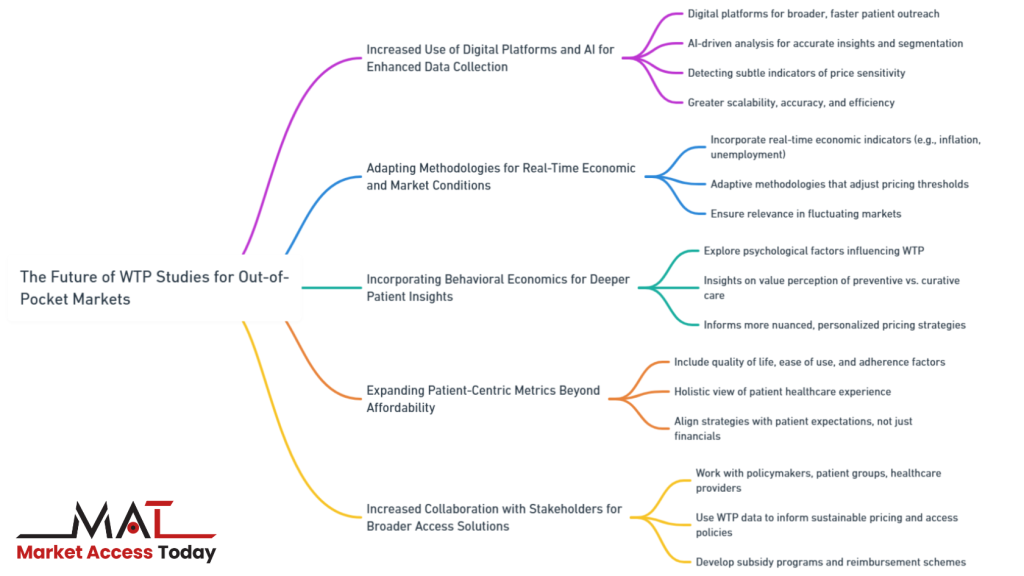
Here are some of the ways I see WTP studies advancing to meet the future demands of OOP markets.
1. Increased Use of Digital Platforms and AI for Enhanced Data Collection
With the expansion of digital health platforms and AI technologies, WTP studies will likely harness these tools to streamline and enhance data collection. Digital platforms can facilitate broader, faster patient outreach, allowing researchers to gather WTP data from more diverse populations across different geographic and economic backgrounds. Meanwhile, AI-driven analysis can help interpret this data with greater accuracy, identifying patterns and patient segments that may otherwise go unnoticed. For example, AI can analyze responses to detect subtle indicators of price sensitivity, providing more detailed insights into patient affordability. As these technologies advance, WTP studies will become more scalable, accurate, and efficient.
2. Adapting Methodologies for Real-Time Economic and Market Conditions
One of the challenges in OOP markets is the volatility of economic conditions, which can significantly impact patients’ ability and willingness to pay. Future WTP studies will likely incorporate real-time economic indicators—such as inflation rates, unemployment data, and healthcare cost trends—into their analyses to better reflect current patient affordability. I envision studies becoming more dynamic, using adaptive methodologies that adjust pricing thresholds based on ongoing economic data. This approach will help ensure that WTP insights remain relevant in fluctuating markets, supporting pricing strategies that respond to real-time patient needs.
3. Incorporating Behavioral Economics for Deeper Patient Insights
The field of behavioral economics offers valuable tools for understanding how patients make financial decisions about their health. Future WTP studies will likely draw on these principles to explore the psychological factors influencing patients’ willingness to pay. For example, insights into how patients perceive the value of preventive care versus curative treatments or their preferences for short-term versus long-term benefits could inform more nuanced pricing strategies. By integrating behavioral economics into WTP studies, we can gain a richer understanding of patient motivations, leading to access strategies that resonate on a deeper, more personal level.
4. Expanding Patient-Centric Metrics Beyond Affordability
While affordability is central to WTP studies, future research may go beyond financial considerations to include other patient-centered metrics, such as quality of life, ease of use, and adherence factors. By incorporating these dimensions, WTP studies can provide a more holistic view of what patients value most in their healthcare experience. For example, if patients are willing to pay more for a device that enhances their quality of life or reduces the complexity of treatment, this information can guide product development and marketing. Including these broader metrics will allow us to align pricing and access strategies with patients’ overall expectations, not just their financial capacity.
5. Increased Collaboration with Stakeholders for Broader Access Solutions
The future of WTP studies in OOP markets will also involve greater collaboration with stakeholders, including policymakers, patient advocacy groups, and healthcare providers. By working together, we can use WTP data to inform policies that support more sustainable pricing and access solutions. For example, governments and healthcare organizations might use WTP insights to develop subsidy programs or partial reimbursement schemes tailored to patient affordability. Collaborating with multiple stakeholders ensures that WTP studies don’t just benefit individual companies but also contribute to systemic improvements in healthcare accessibility and affordability.
Conclusion and Key Insights
As I reflect on the role of willingness-to-pay (WTP) studies in market access, it’s clear that understanding patients’ financial thresholds is crucial, especially in out-of-pocket markets where affordability can make or break access to essential treatments. WTP data isn’t just a pricing tool—it provides a window into patients’ perceptions, priorities, and challenges, allowing us to create access strategies that are as patient-centered as they are sustainable. By tapping into these insights, we can ensure that our products align with both patient needs and financial realities, ultimately supporting broader access to life-enhancing treatments.
1. Summing Up the Importance of WTP Studies
WTP studies play a central role in informed decision-making across pricing, segmentation, and product positioning. By capturing how much patients are willing and able to pay, we gain valuable insights that guide every aspect of market access strategy. These studies help us set prices that reflect patients’ affordability, ensure that our products are accessible to target segments, and highlight the features patients value most. In markets where patients bear healthcare costs directly, WTP data is an essential component of designing and implementing strategies that truly serve the patient population.
2. Recommendations for Future Studies
Looking ahead, I see an opportunity to adapt WTP methodologies further to meet the specific needs of emerging markets. Patients in these regions often face unique financial constraints, and fine-tuning our approach can lead to more accurate insights. For instance, incorporating local economic indicators or adjusting survey designs to reflect cultural preferences could enhance the reliability of WTP data. Additionally, continually monitoring patient affordability is essential, as economic conditions fluctuate and impact patients’ financial capacities. By maintaining this level of adaptability, we can ensure our access strategies stay relevant and effective in changing markets.
3. Broader Implications for Market Access
WTP studies are just one part of a broader, holistic approach to market access, but they’re instrumental in improving patient outcomes in out-of-pocket markets. As we continue to apply WTP insights alongside other market research and patient-centered data, we’re better equipped to design strategies that expand access to healthcare and improve quality of life. By placing patients’ financial needs at the core of our decision-making, we’re not only advancing our market access goals but also fulfilling a commitment to making healthcare equitable and inclusive.
10 FAQs from “Willingness to Pay Studies for Out-of-Pocket Payment Medicines and Medical Devices: A Market Access Perspective”
- What is a willingness-to-pay (WTP) study?
A WTP study measures how much patients are willing and able to pay out of their own pockets for a particular medicine or medical device. It helps companies understand price sensitivity, affordability thresholds, and patient-perceived value. - Why are WTP studies important in out-of-pocket (OOP) markets?
In OOP markets, patients bear the healthcare costs directly, making it essential to know their financial limits. WTP studies guide pricing strategies, ensuring products remain accessible while aligning with patients’ ability to pay. - How do WTP studies influence pricing strategies?
By providing insights into patient affordability, WTP studies help companies set optimal prices that patients can realistically afford. This prevents pricing that could exclude patients from accessing essential treatments. - What methods are commonly used in WTP studies?
Common methods include the Contingent Valuation Method (CVM), Discrete Choice Experiments (DCE), and Conjoint Analysis. Each approach varies in complexity and helps measure patient preferences and affordability differently. - How do companies use WTP data to target specific patient segments?
WTP data helps identify patient groups based on their willingness and ability to pay. Companies can then tailor access strategies and communication for segments likely to invest in certain treatments, enhancing the product’s reach and adoption. - Can WTP studies help in setting flexible or tiered pricing?
Yes, WTP studies can reveal pricing variations that different patient segments are willing to bear. This data allows companies to implement tiered or flexible pricing models, making products more affordable across diverse income groups. - What role does behavioral economics play in WTP studies?
Behavioral economics helps explore the psychological and social factors influencing WTP, such as perceptions of value, urgency, and healthcare priorities. Integrating these insights provides a more holistic understanding of patient willingness to pay. - How do real-time economic conditions affect WTP data?
Economic factors like inflation, currency fluctuations, and employment rates impact patient affordability. Future WTP studies may increasingly account for these variables, allowing companies to adjust prices according to current economic conditions. - What are some challenges of conducting WTP studies in OOP markets?
Challenges include collecting accurate data due to patient hesitancy, accounting for demographic variability, balancing ethical considerations in low-income regions, and adapting to economic uncertainty that affects patient affordability. - How can WTP studies help improve healthcare access and equity?
WTP studies support collaboration with policymakers, patient advocacy groups, and healthcare providers to create sustainable pricing and access strategies. By understanding patient affordability, companies can design solutions that improve access to healthcare for underserved populations.
References
- Methods for the Economic Evaluation of Health Care Programmes – Drummond, M. F., et al. (2015)
- Will Medicaid Beneficiaries’ Willingness-to-Pay for Multidrug-Resistant Tuberculosis Treatment Improve Coverage Options? – King, J. T., et al. (2005)
- Making Choices in Health: WHO Guide to Cost-Effectiveness Analysis – World Health Organization (2003)
- Willingness to Pay for Public Health Policies to Treat Illnesses and Reduce Mortality – Bosworth, R., et al. (2010)
- Differential Pricing for Pharmaceuticals: Reconciling Access, R&D, and Patents – Danzon, P. M., & Towse, A. (2003)
- Theory and Methods of Economic Evaluation of Health Care: Willingness-to-Pay and Willingness-to-Accept in Cost-Utility Analysis – Johannesson, M. (1996)
- Applied Methods of Cost-Benefit Analysis in Health Care – McIntosh, E., et al. (2010)
- Willingness to Pay for a QALY – Gyrd-Hansen, D. (2004)
- Discounting in Economic Evaluations – Attema, A. E., et al. (2018)
- The Contingent Valuation Method in Health Care – Klose, T. (1999)


This article has been prepared with the assistance of AI and reviewed by an editor. For more details, please refer to our Terms and Conditions. We do not accept any responsibility or liability for the accuracy, content, images, videos, licenses, completeness, legality, or reliability of the information contained in this article. If you have any complaints or copyright issues related to this article, kindly contact the author.
